Our Science
Science behind better workplace decisions
Workplaced combines established scientific frameworks, workplace research and proprietary data to understand how people, space and workplace decisions interact.
Understanding how people work
We start with how people work: their needs, preferences, activities, interactions and work patterns, alongside how space is actually used.
We connect these insights with organizational objectives and culture to identify misalignment and opportunities for improvement.
The frameworks behind Workplaced
Our models draw on established frameworks from workplace strategy, organizational culture and personality research.
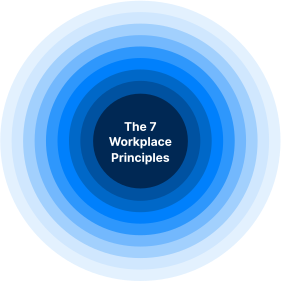
7Ps: The 7Ps principles
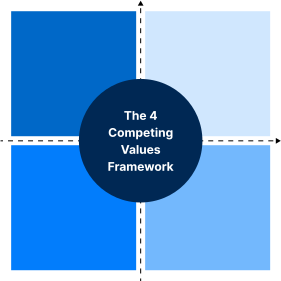
Culture: Competing Values Framework
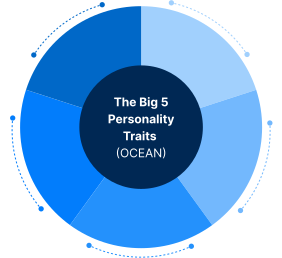
Big 5: Big Five Personality Model & TIPI
Built on published research
Named, published and explainable. We use established frameworks for specific purposes while recognizing their limits.
| Instrument | Originator | What we use it for | Documented limit |
|---|---|---|---|
| 7Ps principles | Prof. Nick Nunnington | Structuring workplace requirements across different activities | A framework, not a measurement |
| Competing Values Framework | Quinn & Cameron | Understanding cultural orientation and alignment | Self-reported and organizational in nature |
| Big Five via TIPI | Costa & McCrae / Gosling, Rentfrow & Swann | Understanding broad working-condition preferences | The short format prioritizes speed over the precision of longer measures |
Turning science into decisions
Workplaced combines scientific models with workplace data across these inputs. Together, they help organizations compare decisions and understand their impact.
- Experience
- Activities
- Interactions
- Culture
- Hybrid schedules
- Occupancy
- Space configuration
- Commute & sustainability
- Productivity, retention & workplace value
60M+
workplace data points
Backed by 60+ million workplace data points
Scientific frameworks provide structure. Data helps us understand how workplace patterns behave in practice.
Our database includes more than 60 million workplace data points gathered over two decades, helping us:
- Build workplace benchmarks
- Identify recurring patterns
- Test and improve our models
- Compare teams and locations
- Strengthen workplace recommendations
Research from our advisors
Our advisors combine workplace practice, academic research and industry experience. Their research helps challenge our assumptions and strengthen the methodologies behind Workplaced.
Professor Nick NunningtonCorporate Real Estate & Workplace Strategy
Professor and author whose research explores Corporate Real Estate strategy and the relationship between organizational objectives, work and space.
Explore the researchDr. Agustin ChevezWorkplace Strategy & Interactions
Architect and workplace researcher exploring how people, interactions, culture and physical environments shape how work happens. His research informs our thinking around collaboration and interaction mapping.
Across our advisory network
Our wider advisory network contributes expertise across workplace strategy, organizational psychology, hybrid work, Corporate Real Estate and human performance.
Science with clear boundaries
Our frameworks inform workplace decisions; they do not replace human judgment.
We use them to identify patterns, understand alignment and compare possible outcomes. We do not use personality or cultural models to diagnose individuals or make employment decisions.
Whether Workplaced's own indices have been tested against later outcomes, such as actual turnover, is not documented here. Until it is, read them as structured indications, not as validated predictors.
The objective is to adapt workplaces around people, not classify people around workplaces.
One connected workplace model
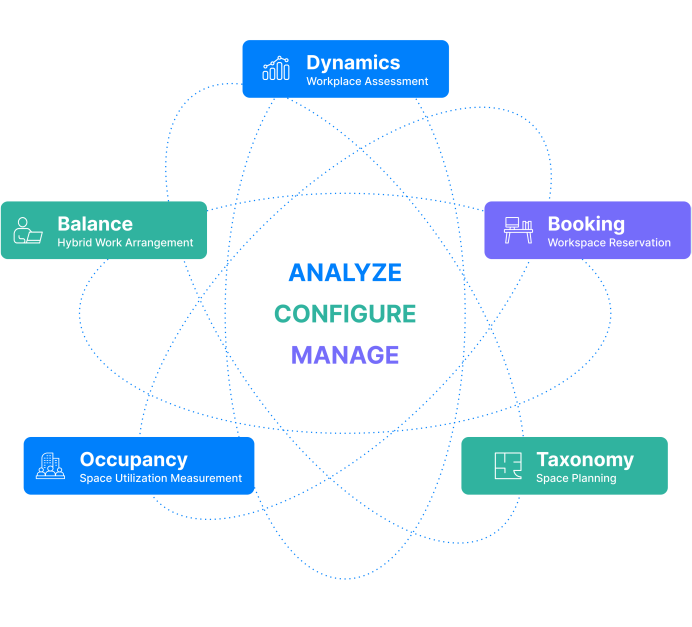
No single framework or dataset explains a workplace on its own. Workplaced connects people, activities, interactions, culture, space and policy through one shared data model, allowing insights from one part of the workplace to strengthen decisions across the others.
Guided by industry and research
Our advisors bring expertise across Corporate Real Estate, workplace strategy, organizational psychology, research and human performance. Their experience helps challenge our assumptions, strengthen our methodologies and keep Workplaced connected to evolving workplace practice.

Tamás Polster
Location Advisory& Portfolio Strategy
Consultant and board member advising on new location, portfolio strategy and urban development with 30 years of experience. Co-founder at Urbanite Advisors, led Cushman & Wakefield EMEA consulting teams and has been driving and publishing global research on occupier trends.

Phil Kirschner
Workplace Strategy& Future of Work
Visionary leader in real estate and workplace strategy with over 30 years of experience. Recognized as a global thought leader, Phil is trusted by executives worldwide for his expertise in workplace change and future-of-work strategies.

Dr. Gleb Tsipursky
Organizational Psychology& Hybrid Work
CEO of Disaster Avoidance Experts & a leading authority on hybrid work and cognitive biases. With over 20 years of consulting experience, he has authored seven books, including Never Go With Your Gut, & is a renowned international speaker on future-of-work strategies.
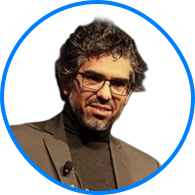
Dr. Agustin Chevez
Workplace Strategy& Organizational Culture
Architect, researcher, and future-of-work expert specializing in workplace strategy and organizational culture. He has held academic roles at Swinburne University and the University of Melbourne and has spoken globally at platforms including IFMA, WorkTech, Steelcase, and NESPAD.

Amie Van Woudenberg
Workplace Relationships& Hybrid Work
Researcher and hybrid work expert specializing in workplace relationships and inclusive hybrid collaboration. She has led research initiatives with Amsterdam and Sydney University, focusing on connection, equity, and wellbeing at work.

Anna Connor-Lakomy
Neuroscience& Human Performance
Researcher and consultant specializing in neuroscience-informed leadership, performance, and workplace behavior. She supports Fortune 500 organizations in designing healthier workplaces through evidence-based collaboration, wellbeing, and behavioral change.
See the science applied to your workplace
A walkthrough on your own questions: which instrument answers which, and what each one cannot tell you.